Home Organization Tips for Beginners
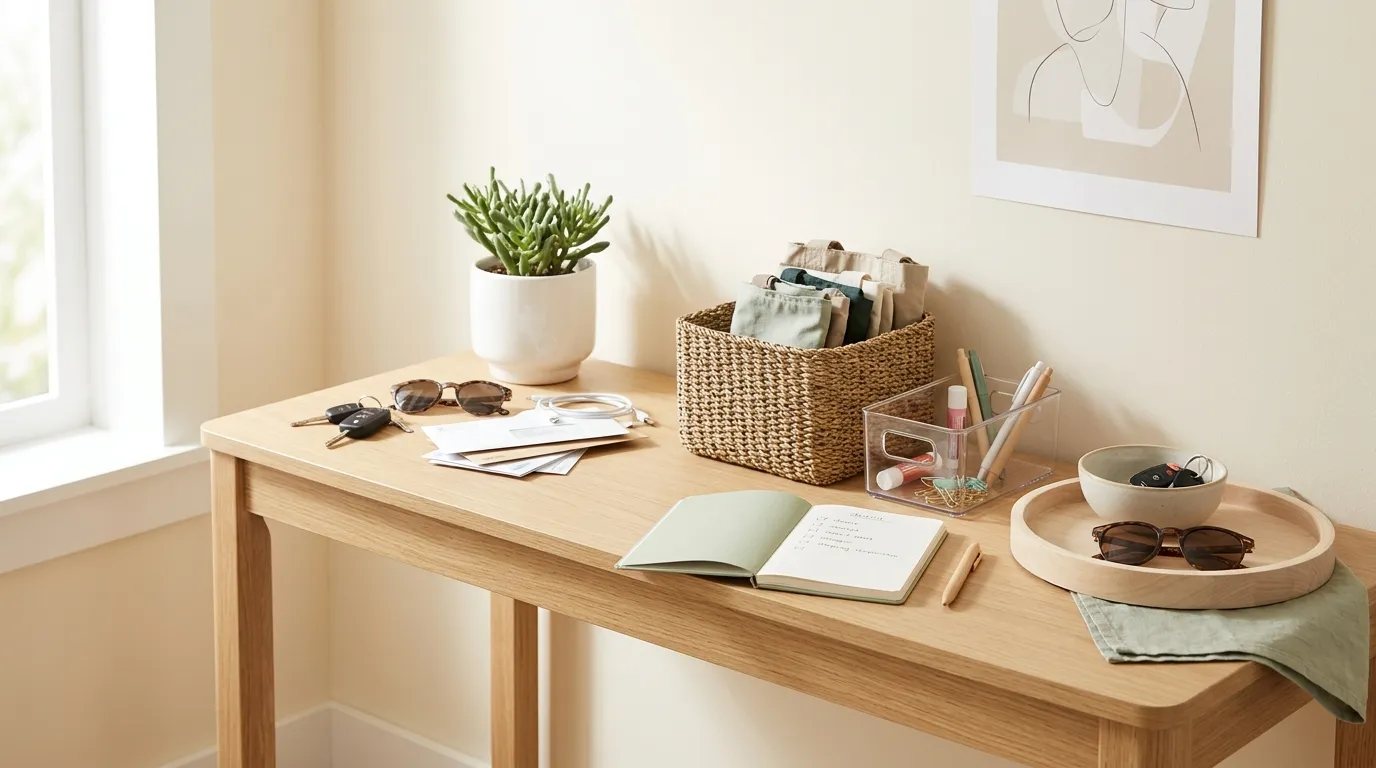
Table of Contents
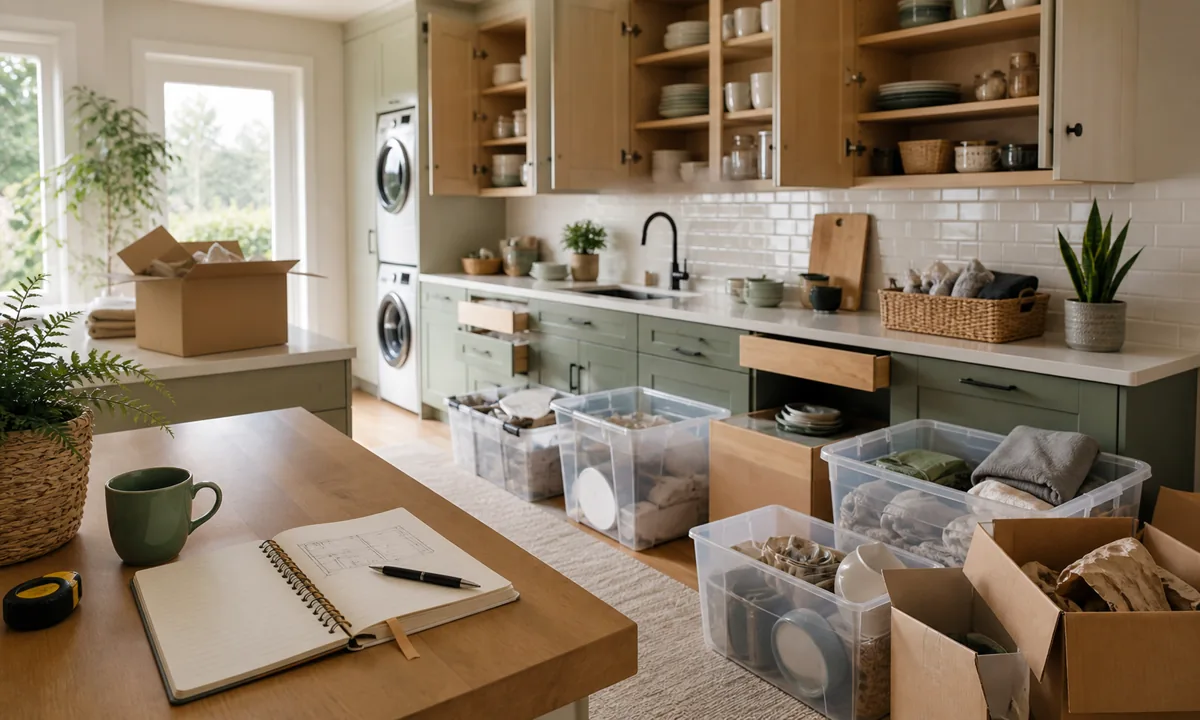
Where do you start when you've never organized before? Start with one single drawer—not a room, not a closet, one drawer. Declutter it completely, assign every remaining item a permanent home, and label the section. Finish that one drawer before touching anything else. The momentum you build from one completed space is what fuels the rest of the project.
Most people begin their first organization attempt by going to the store and buying bins, baskets, and organizational accessories. They bring those products home, try to fit their existing clutter inside them, and end up with the exact same mess—just wearing a more expensive outfit.
The real first step isn't shopping. It isn't cleaning. It isn't downloading an app. It is deciding what you actually want to keep.
Start Smaller Than Feels Reasonable
When you stand in a cluttered room and try to imagine where to begin, every direction looks equally overwhelming. That feeling is information: you have chosen a scope that is too large to act on. Shrink the scope until it feels almost embarrassingly small.
- Not "organize the kitchen"—organize the one utensil drawer nearest the stove.
- Not "clean out the closet"—organize a single shelf of the closet.
- Not "sort through my clothes"—sort through the one pile of clothes on the chair.
Completing a small area gives you real evidence that the task is doable, which creates the motivation to continue. Motivation follows action—it doesn't precede it. You don't feel ready before you start; you feel ready because you started.
The Four Questions for Every Object
When you hold any item and feel uncertain about what to do with it, run it through these four questions in sequence:
- Have I used this in the last 12 months? (Or within 3 years for strictly seasonal items)
- Do I genuinely love this? (Not "it might be useful someday"—actually love it right now)
- Does it have a logical home in my space? (Is there a specific place this makes sense to live?)
- Would I buy this today if I didn't already own it?
If the answer to all four is no, it goes. If you are genuinely unsure, put it in a sealed "maybe" box with today's date written on it. If you haven't opened that box in 60 days, donate it without looking inside.
The Three Systems Every Home Requires
You do not need elaborate or expensive organization systems. You need these three basic ones, and they cover the entire daily flow of a household.
System 1: An In-Box
A single physical spot—a basket, a ceramic tray, a shelf by the door—where everything that enters the house lands first. Mail, receipts, items borrowed from friends, random small objects from bags. This one dedicated landing zone prevents things from scattering across every flat surface in the house. Process the in-box completely, once a week.
System 2: A Home for Every Item
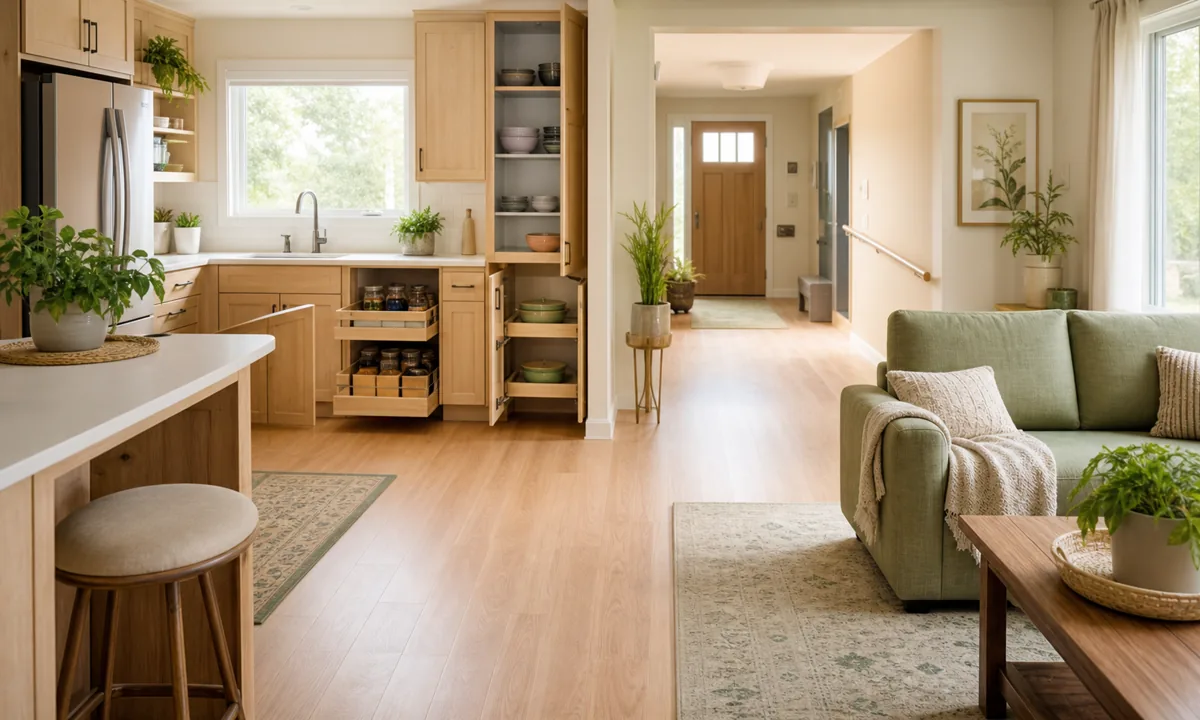
For every object in your home, there is one specific place it lives. When you are not using it, it is there. When you need it, you go there first. This sounds deceptively simple because it is—and it is the foundational rule of a home that doesn't feel chaotic to live in.
System 3: A 10-Minute Daily Reset
Every single evening, spend 10 minutes returning everything to its home. This is the most important habit in all of home organization. A 10-minute reset each night means you wake up to a calm, clear space every single morning instead of yesterday's chaos.
What "Good Enough" Looks Like
Perfect organization is a distraction, not a destination. For beginners, "good enough" means:
- You can find what you need in under 60 seconds
- Items reliably return to the same spot after use
- You don't feel a spike of anxiety walking through your own home
- A guest would feel comfortable sitting in your living room
That is the real standard. You do not need a matching label set, uniform bins from a premium brand, or a pantry that looks like a magazine photo shoot. You need functional systems that your actual household can maintain in real life.
Frequently Asked Questions
What is the first step to organizing a very messy house?
How do you organize when you feel completely overwhelmed?
What is the 20/20 rule for decluttering?
How long before organization becomes automatic?
Join Organized Haven
Get weekly home organization tips, DIY décor ideas, and exclusive printables delivered straight to your inbox. Join 10,000+ homeowners today!
We respect your privacy. Unsubscribe at any time.
Written by Danilo Souza
Danilo Souza is a Home Organization Expert and Interior Decor Specialist with over 8 years of experience in transforming cluttered, stressful rooms into functional, peaceful, and beautifully designed living spaces. His practical, step-by-step methodologies empower homeowners to create lasting organizational systems that fit their lifestyle and budget.